
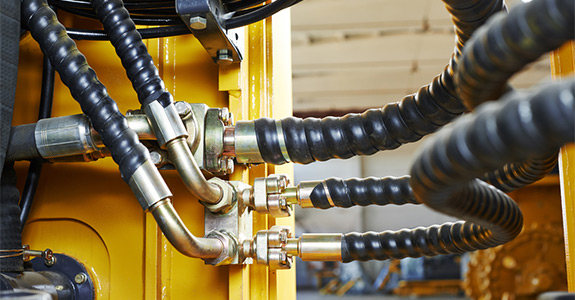
For many hydraulic machines, many technical experts have commented on what oil is suitable. Of course, the machines will start working properly with standard products, but this does not mean that this product is always optimized for a specific application, sometimes it is necessary to substitute other brands or even consider other ISO VG grades. Many lubricant malfunctions do not cause a sudden drop in performance of the machines and can reduce the life of the machines and related equipment so that the net authorities do not notice these problems.When it comes to hydraulics, two factors are of great importance:
First– Viscosity
Second– Hydraulic Oil Type (R&O and Anti-Wear)
One of the components that will play a significant role in determining the above parameters for the selected type is the pump used in the system, the ambient operating temperature and the working pressure available on the system. Choosing the best product for your system requires gathering all available information.
Hydraulic Lubricants
Hydraulic fluids play a very vital role in having a balanced and reliable performance. These roles, as discussed, start from heat transfer to power transmission and lubrication. The chemical composition of each hydraulic fluid can vary depending on the type of application.This fluid can range from fully synthetic (for very high temperature and high pressure applications) to water-based fluids (for firefighting applications).
Each synthetic fluid is a chain of molecules that are precisely combined to provide stability, lubricity, and other performance-enhancing properties. These fluids are an excellent choice for applications where high temperatures or high pressures are desired. However, there are some disadvantages to using these oils, including high cost, toxicity, and inherent incompatibility with some seal materials.
Petroleum fluids are very common and are composed of crude oil and some types of additives. These additives include a wide range of substances: anti-wear – deposit and oxidation inhibitors – viscosity index improvers, etc.These fluids are a cheap alternative to synthetics and, when supplemented with a certain amount of additive package, can largely compete with synthetics in performance.
Water-based fluids are not very common and are mainly used in situations where the risk of fire is very high. These products are more expensive than mineral oil based materials but are cheaper than some synthetic lubricants. Although they are good choices for fire protection, they are not very good for anti-wear properties
No article found!
Pump Requirements and Viscosity
There are basically 3 types of pump designs available in hydraulic systems: piston, gear (internal and external) and vane, and each of these designs is designed for a specific function. Each type of pump should be examined for oil selection depending on its type.
Vane: As the rotors and vanes rotate inside the ring, the vanes wear due to internal contact between two or more surfaces in contact. For this reason, most pumps are more expensive in terms of net, but they are useful for maintaining a constant and stable flow. Vane pumps require a viscosity between 14 and 160 centistokes at operating temperature.
Piston: Piston pumps are among the most common hydraulic pumps and have a higher durability in flawless performance than the above pumps.These types of pumps can provide higher operating pressures of around 6000 psi and their viscosity range is from 15 to 160 centistokes at operating temperature.
Gear: These pumps are generally the least efficient pumps and have very low efficiency but are compatible with high volumes of contaminants. These pumps operate by compressing the fluid between the air volume trapped by the blade of the gear set and the inner wall of the gear housing and then rapidly releasing it.
There are two main types of these pumps:
Internal: These types of pumps cover a wide range of viscosity options, up to 2200 cSt. They provide high efficiency, quiet operation and pressure generation between 3000 and 3500 psi.
External: High-efficiency external gear pumps are less efficient but offer some advantages. Ease of operation, stable flow, and low maintenance and purchase costs are among these advantages.Similar to what we saw above, this type of pump can generate a pressure between 3000 and 3500 psi, but the viscosity range is limited to 300 cSt
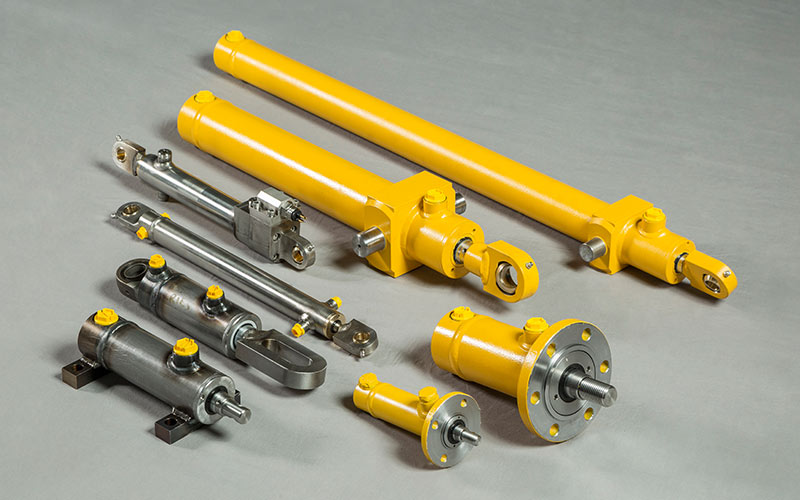
Application-Based Selection
Application-based selection techniques really do everything in their power to ensure that all the time spent selecting the right viscosity, additives, etc., does not simply ignore the requirements of the intended application and operating conditions. Simply following the requirements in the OEM’s instructions is not enough to ensure that the right hydraulic oil is selected. This is a very simple matter at best. Failure to pay attention to these realistic considerations will often result in a failed selection.
Selection problems will not be immediately apparent, but will become apparent over time. Therefore, operational and application factors must be considered



No comments yet.